
In 1901, Australia entered nationhood carrying a set of contradictions that would shape it for decades. In its very first year, the new Commonwealth formalised long-standing racial exclusion through the Immigration Restriction Act of 1901, entrenching what would later be known as the White Australia policy at the heart of the federal state.
Yet Federation also placed Australia on a nation-building path that departed markedly from British economic and social orthodoxy. The Commonwealth moved quickly to assert an unprecedented role in the labour market. Established in 1904, the Commonwealth Conciliation and Arbitration Commission was designed to resolve industrial disputes through law rather than force, embedding wages and working conditions as matters of national responsibility. Through its system of federally binding awards, the Commission gave enforceable legal form to the eight-hour day first won by Australian workers in 1856.
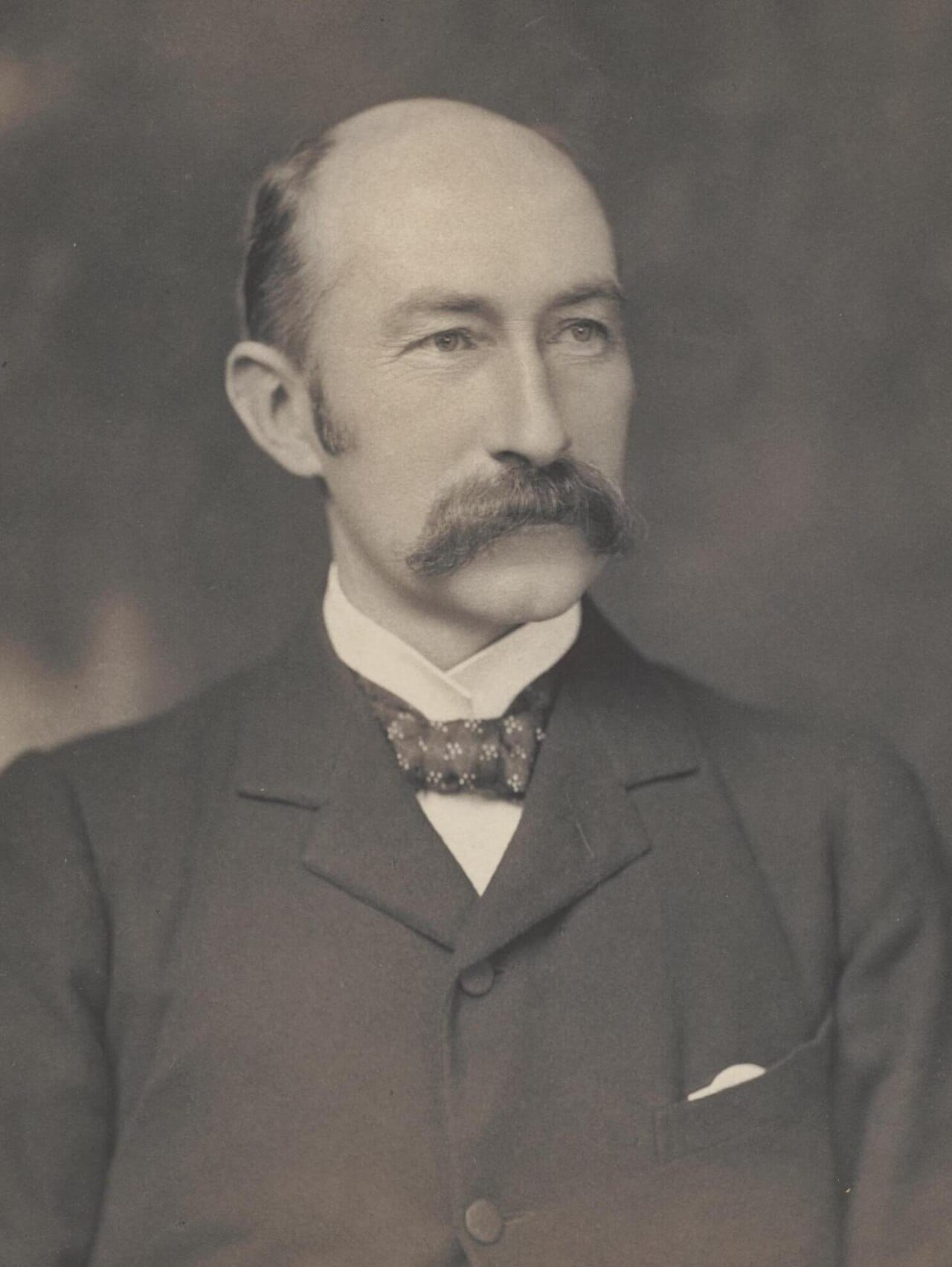
At the turn of the twentieth century, the idea that a national government could—or should—protect workers from the excesses of the labour market remained unusual. This belief was articulated by social reformer and jurist Henry Bournes Higgins, who argued that a democratic government carried an obligation to restrain forces capable of exploiting labour. He rejected the principle of “each for himself,” insisting that a democratic society could not operate on the basis of “each for himself and the devil take the hindmost.”
As the Commission’s first president, Higgins oversaw the landmark ruling that a minimum wage should constitute a “living wage,” sufficient to support “human beings living in a civilised community.” The arbitration system would later underpin other national reforms, including the introduction of old-age and invalid pensions in 1908, framed as rights of citizenship rather than acts of charity.
In international terms, Australia was an outlier. In Britain and the United States, wages and conditions were still shaped largely by private bargaining and industrial conflict. Australia, by contrast, embraced compulsory arbitration and national wage-setting, while Britain retained a fragmented system that produced wide and uneven variations in pay and conditions.
For all its early progressivism, however, the new nation remained deeply structured by racial and gendered exclusion. The protections of the labour state were unevenly applied and tightly bounded by assumptions about race and sex. Indigenous Australians, governed by restrictive state regimes, were largely excluded from citizenship and labour protections for much of the twentieth century—a foundational exclusion rather than a marginal one.
Women, despite their active participation in the economic life of the nation, benefited far less from the emerging labour system. The Commission explicitly distinguished between a male minimum wage and a lower female wage, reflecting the prevailing assumption that women were dependents rather than equal economic actors.
Labour reform formed part of a broader democratic confidence. In 1902, Australia extended the federal franchise to women, placing it among the most electorally progressive societies of its era. The same period saw the introduction of old-age and invalid pensions, reinforcing the idea that citizenship carried material entitlements as well as political rights.
The secret ballot, pioneered in the 1850s in Victoria and South Australia, was likewise standardised at the federal level. The Commonwealth Franchise Act 1902 entrenched electoral secrecy as a national principle and reinforced the belief that democratic integrity required active state administration.
By the end of the first decade of federation, Australians had articulated a distinctive democratic settlement. Workers were granted protections that remained uncommon internationally, and women were enfranchised at a time when many nations still resisted universal suffrage. Yet these advances coexisted with enduring exclusion. The racial logic of White Australia and the systematic marginalisation of Indigenous Australians would leave legacies that would take generations to confront, continuing to shape who could belong—and on what terms.


